Natural Care: Sebaceous Cyst—Should You Touch It or Leave It Alone?
Hi, it’s Angelica. Don’t pop a sebaceous cyst: leave it alone and seek medical advice if it becomes red, painful, or grows quickly. This small lump is often harmless and painless, but squeezing it can irritate the skin and increase the risk of infection. Gentle measures may ease discomfort, but they won’t necessarily make the cyst disappear.
What to do right away:
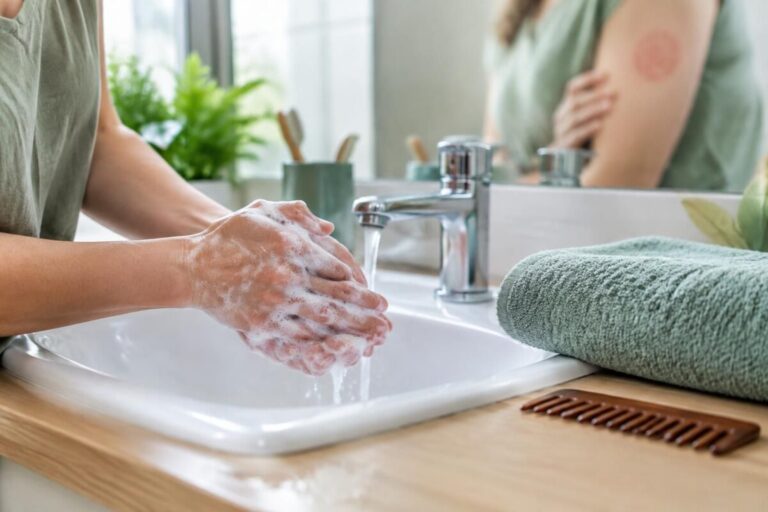
- Wash your hands before touching the area around the cyst.
- Avoid squeezing, scratching, or popping it.
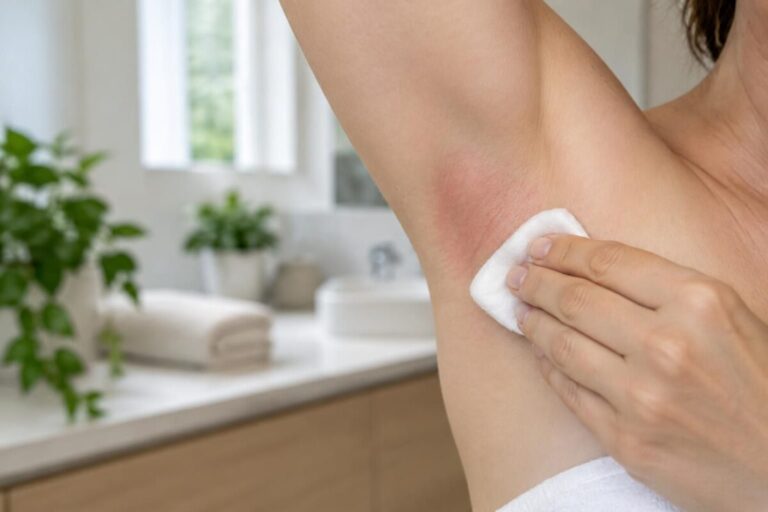
- If the skin is sensitive, place a clean, warm compress on it for a few minutes without applying pressure.
- Keep the area clean and dry, and avoid irritating products.
- Watch for redness, pain, discharge, or fever.
To better understand safe ways to care for it, you can read these tips on natural care for a sebaceous cyst and this information sheet on the characteristics of a sebaceous cyst.
Sebaceous cyst: leaving it alone is the right thing to do
A sebaceous cyst is a small sac under the skin, often associated with a buildup of sebum. It may be firm or soft, moveable under the skin, and sometimes have a small central spot. It often appears on the face, scalp, neck, shoulders, or back.
If it doesn’t hurt or change, simply monitoring it is often enough. However, don’t assume on your own that it is definitely a cyst: a new or unusual lump warrants medical advice, especially if its appearance changes.
Why you shouldn’t squeeze or pop it
It may seem like a quick fix, but it could tear the sac under the skin and irritate the surrounding tissue. The contents may then drain without the sac wall being removed, which can cause the lump to return and increase the risk of infection.
“A small lesion calls for gentle care, not a forceful action.” Keep this in mind, even if the cyst is bothersome or draws your attention.
Natural care: soothe the skin without irritating it
Natural remedies don’t necessarily remove the cyst. A warm compress—clean, comfortably warm, and applied without pressure for a few minutes—may provide some relief. If the area becomes more sensitive or red, stop home care and ask a healthcare professional for advice.
Avoid essential oils, irritating poultices, and harsh products on the lesion. Their effectiveness in making a cyst disappear has not been established, and they may trigger a skin reaction. Good skin hygiene in this case means cleaning gently, without rubbing or trying to empty the lump.
Two situations to tell apart
If the lump remains stable, painless, and not red, keep an eye on it and avoid touching it. If it becomes warm, painful, swollen, or starts to drain fluid, seek medical advice promptly.
A common anecdote: Lina notices a small lump on her shoulder after a workout and thinks she should squeeze it. By leaving the area alone and monitoring it, she avoids irritating it; if it had changed, a healthcare professional could have examined it.
What should you do if the cyst becomes inflamed?
Skin inflammation may cause redness, swelling, or localized pain. An infection is possible, particularly after handling the cyst, but these signs alone are not enough to make a diagnosis.
Seek medical advice promptly if the redness spreads, the pain becomes severe, pus or foul-smelling fluid appears, or you have a fever. If your symptoms are pronounced or worsen quickly, contact a medical service without delay.
| What you notice | Prudent response |
|---|---|
| Stable lump, with no pain or redness | Don’t touch it, and monitor it for changes. |
| Redness, warmth, or increasing pain | Seek medical advice promptly. |
| Fever, spreading redness, or pus-like discharge | Contact a healthcare professional promptly. |
Three simple steps to act safely
- Step 1: Observe the size, color, and sensitivity of the area without pressing on it.
- Step 2: Keep the skin clean and, if it helps, briefly apply a clean, warm compress.
- Step 3: Make an appointment if the lump persists, bothers you, or changes in appearance; seek prompt care if there are signs of infection.
If the cyst is bothersome or keeps coming back, a doctor or dermatologist can confirm what it is and discuss your options. Drainage or removal may sometimes be offered, usually by a healthcare professional and when appropriate. Never try to do these things yourself.
Frequently asked questions about sebaceous cysts
Can a sebaceous cyst go away on its own?
It may sometimes shrink or disappear on its own, but this doesn’t always happen. Avoid popping it and seek medical advice if it persists, grows, or becomes painful.
Will a warm compress make the cyst disappear?
A clean, warm compress may provide relief, but it doesn’t guarantee that the cyst will disappear. Don’t squeeze the area, and stop if the skin becomes irritated.
When should you see a doctor for a sebaceous cyst?
See a doctor if it grows quickly, becomes red or painful, starts to drain, or if you have a fever. A healthcare professional can check that it is a cyst and recommend appropriate care.
Today’s action: leave the cyst alone and monitor it for changes without squeezing it.
Thank you for your interest;Angelica