Health & Nutrition: Hypothyroidism—Which Nutrients Are Often Overlooked?
Hi, it’s Angelica. In cases of hypothyroidism, nutrients that are often overlooked include selenium, zinc, iron, tyrosine, vitamin D, vitamin B12 and magnesium, in addition to iodine. A varied diet can help meet your needs, but it does not replace medical diagnosis or treatment. The goal: identify the nutrients to keep an eye on without trying to correct everything with supplements.
What to do now
- Regularly add a source of protein to your meals: eggs, fish, legumes or meat.
- Vary your sources of iron and pair lentils or beans with a food rich in vitamin C, such as a kiwi or bell pepper.
- Choose foods rich in zinc and selenium, such as seafood, pumpkin seeds, eggs or fish.
- Avoid iodine or iron supplements without medical advice: too much can be harmful.
- If you take levothyroxine, follow your doctor’s or pharmacist’s instructions about when to take it and how long to wait before or after taking certain supplements.
For more information on food choices, see these tips on diet and hypothyroidism and this guide to micronutrients that support thyroid health.
Hypothyroidism: nutrients not to overlook
The thyroid uses several nutrients to make and activate its hormones. A deficiency can be a factor, but it does not explain all cases of hypothyroidism, which require medical evaluation.
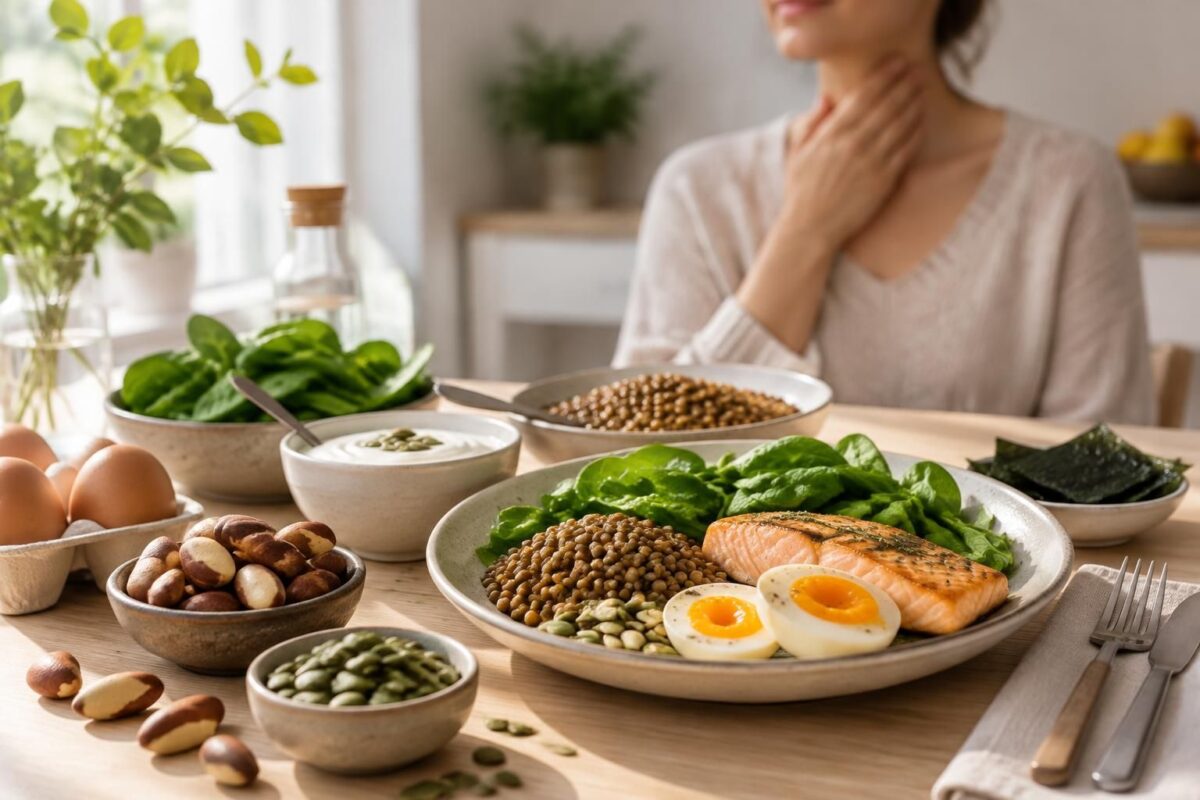
Selenium plays a role in the conversion of T4 into T3, among other things. It is found in fish, eggs and some Brazil nuts, whose selenium content varies widely: it is best not to make them a fixed daily dose without professional advice.
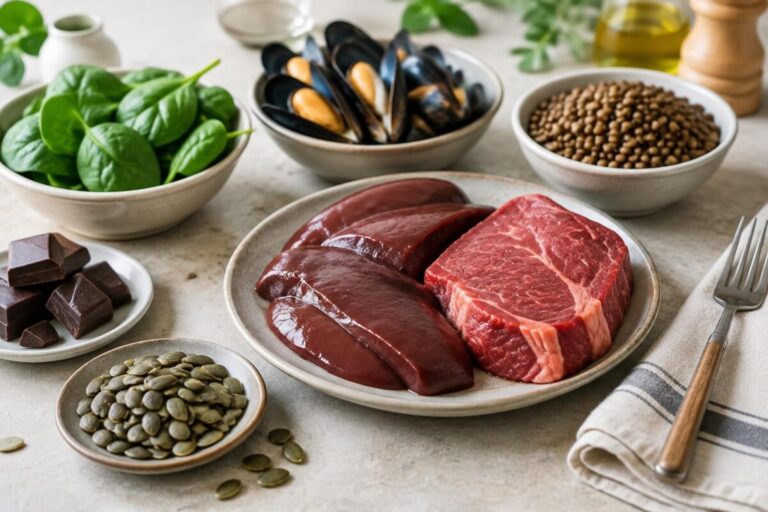
Zinc is involved in several functions in the body, while iron contributes to processes related to hormone production. Lentils, eggs, meat, seafood and seeds can help you meet your needs, depending on your eating habits.
Iodine and tyrosine: essentials, but don’t overdo it
Iodine is part of thyroid hormones. Seafood, eggs and iodized salt provide iodine, but seaweed can contain very high and variable amounts. Spirulina, on the other hand, is not a reliable source of iodine.
Tyrosine, an amino acid found in protein-rich foods, also plays a role in hormone production. Meat, fish, eggs, dairy products, legumes, nuts and seeds provide tyrosine. A varied diet is generally more useful than a product marketed as a thyroid “booster.”
| Nutrient | General role | Food sources |
|---|---|---|
| Iodine | Part of thyroid hormones | Seafood, eggs, iodized salt |
| Selenium | Plays a role in the conversion of T4 into T3 | Fish, eggs, Brazil nuts |
| Iron | Contributes to several metabolic processes | Lentils, meat, eggs, seafood |
| Zinc | Plays a role in many enzymatic functions | Oysters, meat, pumpkin seeds |
| Vitamin D and vitamin B12 | Support various functions in the body | Oily fish, eggs, dairy products or fortified foods, as applicable |
| Magnesium | Contributes to muscle and nerve function, among other things | Legumes, whole grains, nuts, seeds |
Vitamin D, vitamin B12 and magnesium: consider the bigger picture
Vitamin D is involved in immune system function. It is found in some oily fish and eggs, but dietary intake and production in the skin depend on many factors. Testing or supplementation should be discussed with a healthcare professional.
Vitamin B12 deserves particular attention if you eat few or no animal products, or if you have certain absorption problems. Magnesium is found in legumes, seeds and whole grains: it is important for overall health, but it is not a treatment for hypothyroidism.
A common story from consultations: someone thinks they need to cut out all cabbage after a diagnosis, then discovers they can generally keep it on the menu in usual amounts and well cooked. Variety matters more than automatic restrictions.
Nutritional deficiencies: what to do without self-medicating
Fatigue, feeling unusually cold, constipation or dry skin can occur with hypothyroidism, but these signs are not enough to make a diagnosis. If you notice them, talk to your doctor: tests and your clinical context help determine which investigations are appropriate.
“More isn’t always better.” This is especially true for iodine and iron: excessive intake can cause problems. Soy and vegetables from the cabbage family do not need to be cut out routinely; your circumstances, quantities and treatment all matter.
A simple three-step approach
- Step 1: Keep track of your meals, symptoms, medications and supplements for a few days.
- Step 2: Share this information with your doctor or a dietitian to identify any potential needs and ask about appropriate tests.
- Step 3: Gradually adjust your meals. Do not start taking iodine, iron or selenium supplements without professional advice.
If you take thyroid medication, follow the instructions on your prescription and ask for advice before adding iron, calcium or magnesium, as these can interfere with the absorption of some medications if taken too close to them.
Two situations that may call for adjustments to your food choices
If you eat few animal products, prioritize plant-based protein sources and discuss your vitamin B12 status with a professional. If you are pregnant, breastfeeding or have an autoimmune disease, seek personalized advice before changing your iodine intake or taking supplements.
Today’s action: Add a source of protein and a vegetable or fruit rich in vitamin C to your next meal.
Frequently asked questions about hypothyroidism and nutrients
Which nutrients are often overlooked in cases of hypothyroidism?
Selenium, zinc, iron, tyrosine, vitamin D, vitamin B12 and magnesium are sometimes overlooked. Needs vary from person to person, and a deficiency should be evaluated by a professional.
Should I take iodine supplements?
Not without medical advice. Iodine is needed to make thyroid hormones, but too much, particularly from certain supplements or seaweed, can be harmful.
Should I avoid soy and cabbage?
Routine avoidance is generally not necessary. The amounts, preparation, overall dietary balance and medical context should all be taken into account.
Can diet replace treatment?
No. A balanced diet can help provide nutrients, but it does not replace medical follow-up or prescribed treatment.
Thank you for your interest;Angelica