Mental health: sudden shortness of breath—why can the body panic when there’s no danger?
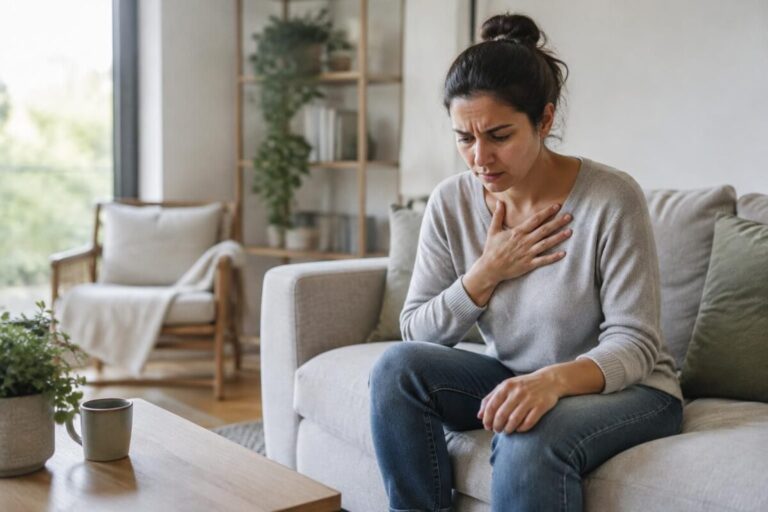
Hi, it’s Angelica. Sudden shortness of breath can accompany a stress response, but you shouldn’t decide on your own that it’s harmless: slow your breathing and check for warning signs first. When anxiety rises, the nervous system can speed up your breathing and cause a feeling of not getting enough air, even without an immediate threat. This harmless panic is possible, but only a professional can assess whether there is a medical cause. Here are some simple steps to get through the moment safely.
What to do right away:
- Stop what you’re doing and sit in a comfortable position.
- Loosen any clothing that is constricting your chest or abdomen.
- Relax your shoulders and let your jaw unclench.
- Breathe out gently, a little longer than you breathe in, without forcing it.
- Ask for help if your symptoms are severe, new, or worrying.
When acting right away, remember that rapid breathing can occur during a panic attack, but shortness of breath is not automatically related to stress. To better distinguish anxiety from a physical cause, see these guidelines on shortness of breath related to anxiety or a physical problem and this explanation of the body’s response to stress.
Sudden shortness of breath: how stress can take your breath away
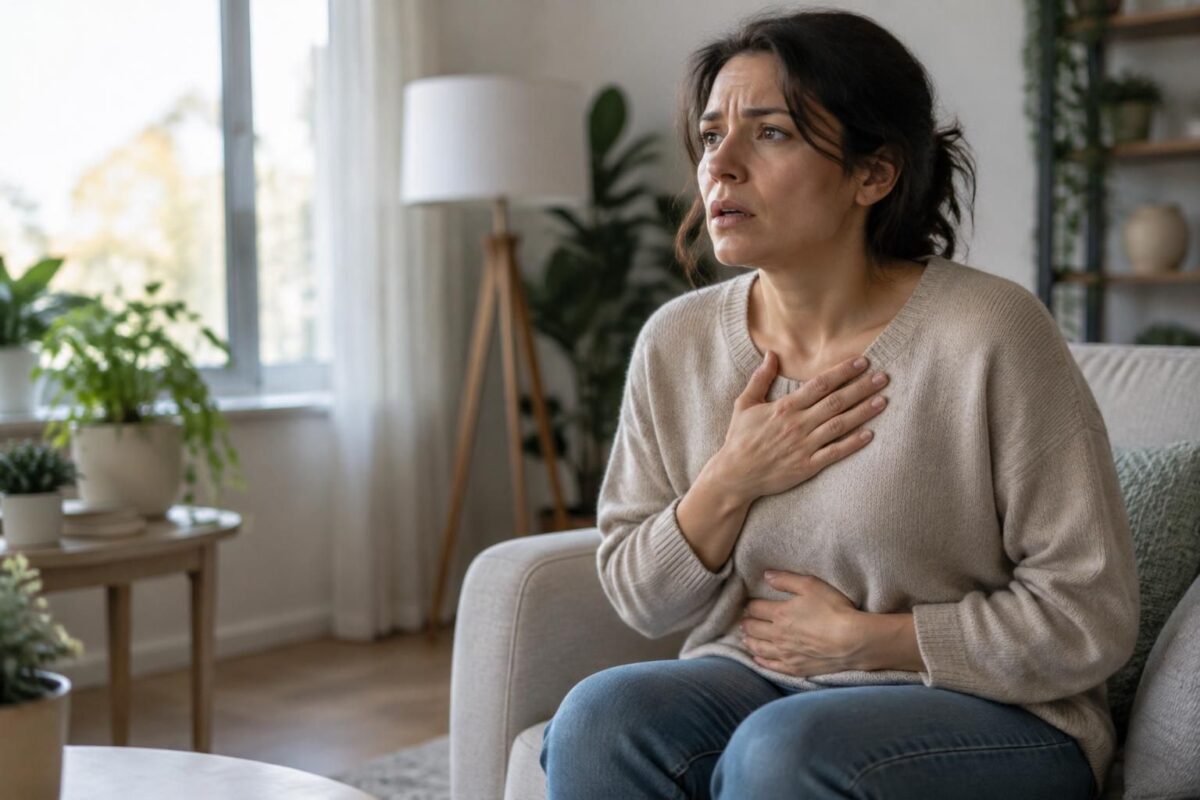
Stress prepares the body to react. Your heart may beat faster, your muscles may tense up, and your breathing may become shallow or rapid. Sometimes, you breathe more than you need to: this hyperventilation can intensify feelings of dizziness, tingling, or tightness.
These physical symptoms are real, even if an anxiety attack is causing them. The more closely you monitor each breath, the more your fear may grow and perpetuate the cycle. The goal isn’t to force a deep breath, but to return to a comfortable rhythm.
Why the body reacts before your thoughts do
The nervous system can trigger an alarm before you’ve identified what’s worrying you. Pressure at work, a conflict, or a memory may be enough to trigger a stress response; your body then mobilizes as if it had to face immediate danger.
“The body can sound the alarm before the mind understands why.” This reaction doesn’t prove that there is danger; it mainly indicates that your body is on high alert.
Harmless panic: steps to help you breathe more calmly
If you recognize a sensation you’ve experienced before and there are no signs of an emergency, try a gentle technique. Don’t try to fill your lungs to their maximum capacity: a relaxed, steady exhale can help interrupt the escalation.
- Step 1: Place your feet on the floor and look around you. Calmly name three things you can see.
- Step 2: Breathe in without effort, then slowly breathe out through your mouth. Repeat for a few cycles, at your own pace.
- Step 3: Notice whether the discomfort eases and whether any other symptoms appear. If it persists, gets worse, or worries you, contact a healthcare professional.
For example, Lina feels her breathing become shallow before a presentation. She sits down, relaxes her shoulders, and slows her exhale; the sensation gradually eases. This example illustrates one possibility, but it cannot diagnose the cause of shortness of breath.
Shortness of breath and anxiety: when should you ask for help?
Sudden shortness of breath can also have a medical cause. Call emergency services if you have significant difficulty breathing or if it is accompanied by chest pain, feeling faint, bluish lips, confusion, or loss of consciousness. If you’re unsure and your symptoms are severe, don’t stay alone.
If these episodes keep happening, even without signs of an emergency, make an appointment with a healthcare professional. They can look for a physical cause and, if needed, refer you for support with anxiety or panic attacks.
| Situation | Useful guide | Prudent action |
|---|---|---|
| If it’s familiar discomfort that appears with stress | It may come with rapid breathing and tension | Sit down, gently slow your exhale, and monitor how it develops |
| If it’s severe, new, or worsening shortness of breath | The cause cannot be determined remotely | Seek medical advice promptly |
| If it is accompanied by chest pain or feeling faint | These signs may indicate an emergency | Call emergency services without delay |
Avoid breathing into a paper bag: this method can be dangerous if the shortness of breath has another cause. The prudent approach is to soothe your breathing without delaying a necessary medical assessment.
Two situations to distinguish when you’re short of breath
If it’s familiar, brief discomfort linked to a moment of anxiety, try the breathing steps while staying alert to how it develops. If it’s your first episode, the discomfort persists, or shortness of breath comes with unusual signs, seek medical advice rather than immediately attributing it to stress.
In everyday life, taking breaks, maintaining a regular sleep schedule, and doing appropriate physical activity can support your general well-being. They don’t replace a diagnosis, but they may help you cope better with periods of tension and identify what triggers your anxiety.
Today’s action: Practice breathing out gently for one minute, without waiting until you’re short of breath.
Frequently asked questions about shortness of breath and panic
Can an anxiety attack cause sudden shortness of breath?
Yes, anxiety can speed up your breathing and make you feel as though you can’t get enough air. But shortness of breath can also have a physical cause: seek medical advice if the symptom is new, severe, or worrying.
How can you calm your breathing during a wave of panic?
Sit down, relax your shoulders, and let your exhale lengthen gently, without forcing it or holding your breath. If your symptoms get worse or are accompanied by signs of an emergency, call emergency services.
When does shortness of breath require urgent help?
Significant difficulty breathing, especially with chest pain, feeling faint, confusion, or bluish lips, warrants a call to emergency services.
Thank you for your interest;Angelica