
Nutrition and Health: Cirrhosis—Which Foods Are Harder to Tolerate?
Hi, it’s Angelica. In the event of cirrhosis, alcohol should be avoided completely, and foods that are very salty, fatty, or sugary may be less well tolerated, but restrictions should be personalized. Getting full quickly, nausea, or difficulty digesting food can also make meals more challenging. A suitable diet helps maintain nutritional intake: it’s best to talk things over with your medical team before eliminating any foods.
What to do right away:
- Avoid alcohol completely, and ask for help if stopping is difficult.
- Make a note of foods that trigger nausea, heaviness, or discomfort.
- Try eating smaller, more frequent meals if you get full quickly.
- Choose simple foods more often: vegetables, whole grains, fish, or poultry.
- Check with your doctor or dietitian before changing your salt intake or taking a supplement.
To get started right away, prepare a list of your symptoms and what you’ve eaten to discuss at your next appointment. To better understand which foods to limit, also see these guidelines on foods that put strain on the liver and this nutrition guide for cirrhosis.
Cirrhosis: which foods may sometimes be harder to tolerate?
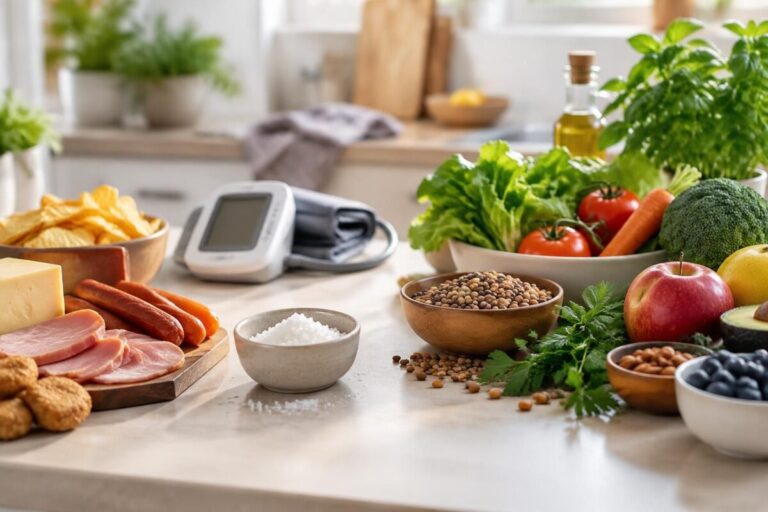
Food tolerance varies from person to person and depending on how the disease progresses. Cured meats, prepared meals, and some cheeses may cause discomfort, particularly because they are salty or high in dietary fat.
Fried foods, fatty meats, pastries, and very sugary drinks may also increase discomfort for some people. This does not mean that a single food automatically “tires out” the liver: what matters most is the overall diet, symptoms, and nutritional status.
| Foods or situations | Why they may cause discomfort | Option to consider |
|---|---|---|
| Cured meats, canned foods, and prepared meals | They may contain a lot of salt. | Choose fresh foods more often and season with herbs. |
| Fried foods, fatty meats, pastries | Their high fat content may make meals feel heavy. | Try baking or steaming foods and choosing suitable portions. |
| Sodas, candy, and very sugary desserts | Too much added sugar can make the diet unbalanced. | Choose water and a piece of fruit, depending on what you tolerate. |
| Large meals | They may worsen early fullness or nausea. | Try eating smaller, more frequent meals, with your care team’s approval. |
Salt: avoid excess without following a strict diet on your own
In the event of cirrhosis, a strict salt-free diet is generally not recommended unless medically indicated: it can be difficult to follow and further reduce your desire to eat. If swelling of your abdomen or legs occurs, ask your doctor how much salt is right for your situation.
Your needs vary depending on complications and treatments. Nutrition advice should therefore be personalized rather than copied from a diet found online.
Alcohol and supplements: two things to check carefully
In the event of cirrhosis, the recommendation is to stop drinking alcohol completely, even in small amounts. Herbs and supplements are not automatically safe for the liver: don’t start taking anything without asking your doctor or pharmacist.
Products marketed as “detox” do not replace medical care. The liver does not need a restrictive cleanse to be supported: the goal is to eat enough and follow recommendations suited to your condition.
Healthy nutrition: maintaining appetite and nutritional intake
Cirrhosis can change the way food tastes, cause nausea, and reduce appetite. Malnutrition can then develop, sometimes even without obvious weight loss, which is why it is important to report any decrease in food intake promptly.
If you get full quickly, smaller, more frequent meals may be easier to manage than one large plate. For example, a fictional person, Marc, noticed that spreading out a small breakfast over the morning was easier than eating a large meal: this is an option to discuss with a professional, not a universal rule.
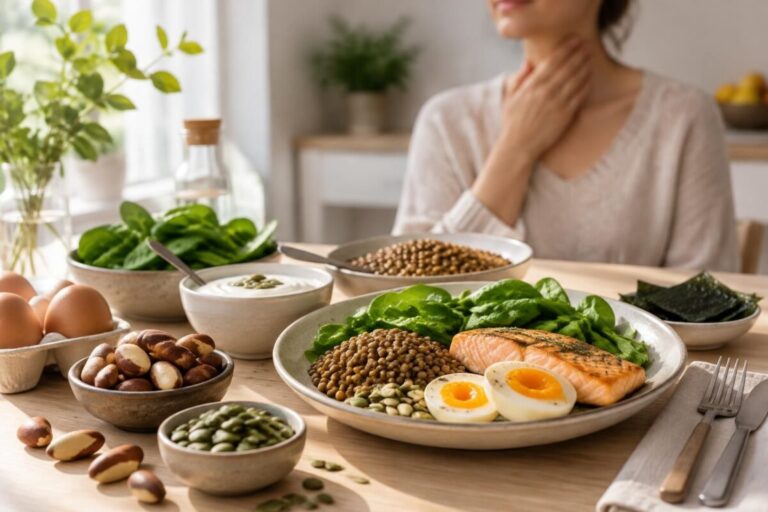
“The goal is not deprivation, but balance,” says dietitian-nutritionist Marie-Laure André. A Mediterranean-style diet, with vegetables, fruit, whole grains, fish, and lean protein, can be a useful guide if it suits your situation and what you can tolerate.
Three steps to adapt your meals
- Step 1: For a few days, make a note of your meals, symptoms, and when your appetite decreases.
- Step 2: Work with a professional to identify helpful changes, without eliminating several food groups on your own.
- Step 3: Try one change at a time — texture, cooking method, portion size, or timing — then see whether it improves your comfort.
If nausea regularly prevents you from eating, contact your care team rather than adding more restrictions. If a food seems hard to tolerate, make a note of it and ask how to replace it so you can maintain adequate nutritional intake.
When should you seek medical advice about food tolerance?
Persistent loss of appetite, vomiting, unintentional weight loss, or difficulty drinking warrant a prompt discussion with a healthcare professional. Abdominal swelling, confusion, or new-onset jaundice also require medical advice without delay.
A weight-loss diet, salt restriction, or vitamin supplementation may be appropriate in some cases, but should be decided based on your nutritional and medical assessment. Diet supports treatment; it does not replace it.
Some helpful answers about eating with cirrhosis
Should I eliminate all dietary fats?
No. Fats should not be eliminated without medical advice. The amount and type should be discussed based on symptoms, needs, and nutritional status.
Can you drink alcohol if you have cirrhosis?
The recommendation is to stop drinking alcohol completely. If stopping is difficult, ask for medical support: help is available.
Are smaller, more frequent meals always necessary?
Not necessarily. They may help if you get full quickly or have a small appetite, but meal timing should be adapted with your care team.
Are natural supplements safe for the liver?
No. A natural product can cause side effects or interact with a medication. Ask a healthcare professional before taking one.
Today’s action: Make a note of one symptom and the meal associated with it, then share this information at your next appointment.
Thank you for your interest;Angelica