
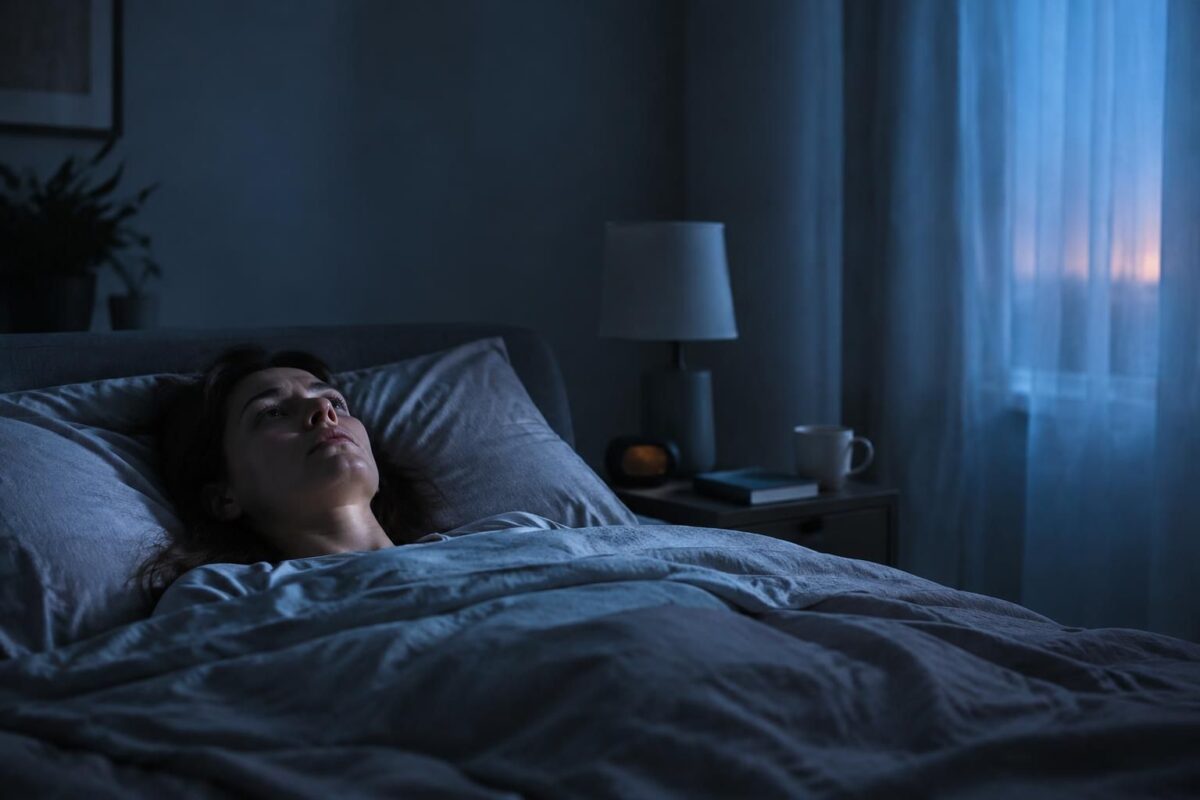
Mental health: Sleep paralysis—can it really be linked to stress?
Hi there, it’s Angelika.
Yes, stress can contribute to sleep paralysis, especially when it disrupts rest, but it is not the only cause.
These episodes can be frightening, especially when hallucinations accompany the temporary inability to move or speak. Understanding the role of stress can help you take action without panicking and recognize situations where medical advice may be helpful.
What to do right now if you experience sleep paralysis
- Remind yourself that the episode is temporary: paralysis occurs during the transition between sleep and wakefulness.
- Focus on slow breathing: try to relax your shoulders and gently move a finger or your eyes.
- Keep a regular sleep schedule: aim for enough rest and avoid nights that are too short.
- Make a note of the episodes: record how often they occur, their approximate duration, and possible contributing factors, such as a stressful period.
- Ask for advice if it keeps happening: especially if the episodes are accompanied by significant daytime sleepiness.
To understand why these episodes seem so terrifying, it is helpful to distinguish the sensations you experience from the mechanisms behind them. You can also reread these explanations of hallucinations associated with sleep paralysis to put them into perspective.
Stress and sleep paralysis: what is the actual connection?
During REM sleep, the brain temporarily limits the body’s movements. If awareness returns before this muscle inhibition has worn off, an episode of paralysis can occur, sometimes accompanied by a sense of someone’s presence or other hallucinations.
Stress does not necessarily cause these episodes directly. However, it can contribute to sleep problems, anxiety, or frequent awakenings, and make rest less regular. Sleep deprivation and irregular sleep schedules are also associated with an increased risk.
| Situation | What it can change | Helpful response |
|---|---|---|
| Period of stress | Sleep may become lighter or more fragmented. | Set aside some quiet time before bed. |
| Lack of sleep | Fatigue can disrupt the sleep-wake cycle. | Gradually return to a regular schedule. |
| Recurring episodes | They can disrupt rest and cause worry. | Talk to a healthcare professional. |
For example, after several weeks of working late, someone might notice an episode upon waking. This does not prove that stress is the sole cause, but it is a good reason to pay attention to your sleep and reduce factors that may be undermining it.
If episodes happen rarely or frequently
If an episode is occasional
A single episode, especially after a short night or a change in schedule, does not by itself mean that there is a mental health problem. The experience can be startling, but the paralysis usually goes away on its own within a few seconds or minutes.
When you wake up, take a moment to reorient yourself and note what happened before the episode. This can help you identify a possible link with fatigue without jumping to conclusions.
If episodes become frequent
If they happen often, cause significant anxiety, or are accompanied by considerable daytime sleepiness, talk to a doctor. A healthcare professional can assess your sleep, habits, any medications you may be taking, and other symptoms.
Managing stress can support your well-being, but it does not replace an evaluation if symptoms persist. A calming routine, a consistent schedule, and appropriate support can all work together.
A 3-step routine to protect your sleep
- Keep track for two weeks: note your bedtimes and wake-up times, any episodes, and possible contributing factors such as stress or sleep deprivation.
- Make your evenings more consistent: keep your schedule as regular as possible and choose a calming activity before bed. Good sleep hygiene supports more consistent rest.
- Review the situation if needed: if episodes recur or affect your days, bring your notes to a healthcare professional.
The goal is not to control everything, but to regain a sense of routine and ask for help when sleep becomes difficult to cope with.
Frequently asked questions about sleep paralysis and stress
Can stress cause sleep paralysis?
It can contribute to episodes by disrupting sleep, but it is not the only cause. Lack of sleep and irregular schedules can also play a role.
Are hallucinations during an episode real?
They can seem very real, but they occur during the transition between sleep and wakefulness. Their presence alone does not mean that you have a mental health disorder.
How long does an episode last?
The duration varies, but an episode generally lasts from a few seconds to a few minutes and ends on its own.
When should you seek medical advice?
Ask for medical advice if episodes recur, cause significant distress, or are accompanied by marked daytime sleepiness.
I hope you found these tips helpful. See you soon! — Angelika