Mental health: Nocturnal tachycardia—why does it sometimes wake you in a state of panic?
Hello, this is Angelika.
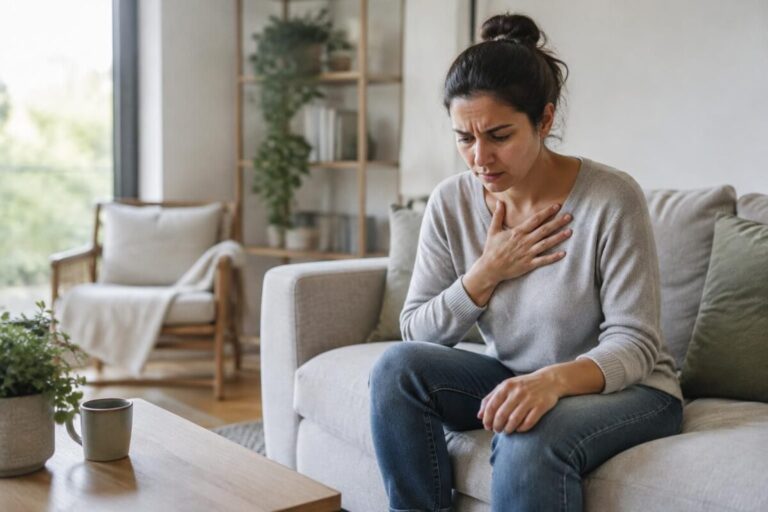
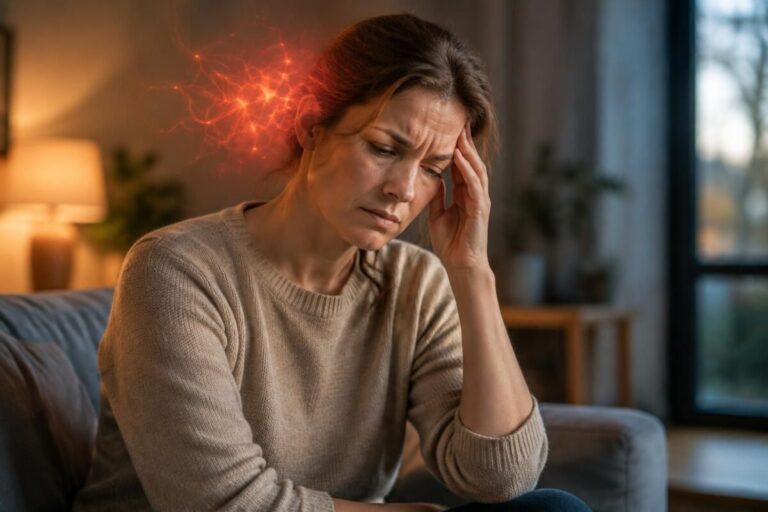
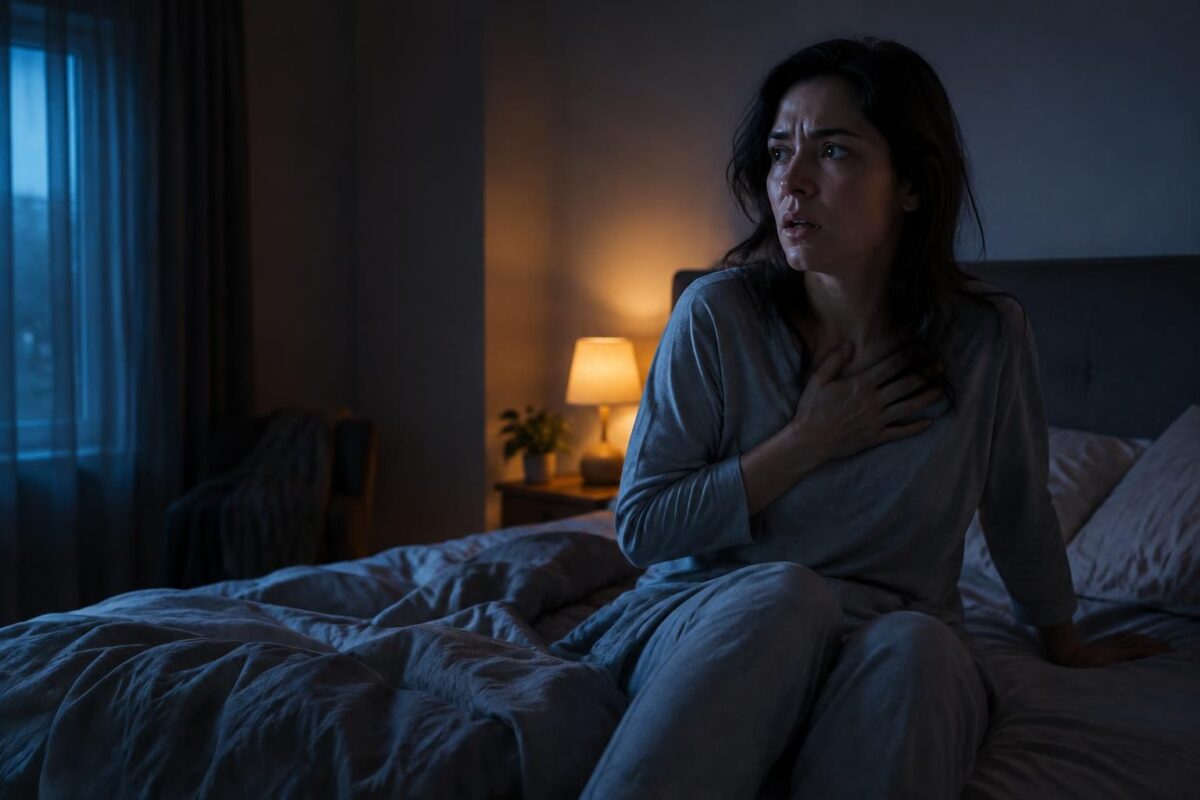
Nocturnal tachycardia can wake you in a panic when your heart suddenly starts racing, but anxiety is not the only possible cause.
The feeling of your heart pounding can be alarming, especially in the quiet of the night. Understanding what comes with it can help you respond calmly and recognize situations that require medical advice.
What to do right away
- Sit down or gently raise your upper body if you feel dizzy.
- Breathe slowly, without forcing it: let your exhale last a little longer than your inhale.
- Note the time and duration of the episode, as well as the symptoms you experience.
- Do not take any medication or supplement to slow your heart without medical advice.
- Call emergency services if the palpitations are accompanied by chest pain, severe shortness of breath, feeling faint or loss of consciousness.
Palpitations during sleep can occur after a period of stress, but they can also be linked to a fever, certain medications, alcohol or a heart rhythm disorder. If the episodes recur, last longer or worry you, talk to a healthcare professional.
Nocturnal tachycardia: anxiety or another cause?
A nighttime panic attack can cause you to wake suddenly with a racing heart, shortness of breath, sweating, trembling or a sense of danger. These symptoms of panic are real, even when there is no immediate danger.
But tachycardia can have many causes. Dehydration, an infection, certain stimulants, a medication side effect or a heart problem can also speed up your heart rate. Stress and sleep affect the body, but they cannot, on their own, establish a diagnosis.
| What you notice | What to keep in mind | Helpful response |
|---|---|---|
| Racing heart after an unsettling dream, with fear and trembling | Nighttime anxiety may be the cause, but this is not certain | Breathe gently and note how long the episode lasts |
| Repeated, irregular or prolonged palpitations | Medical advice may help identify the cause | Make an appointment and describe the episodes in detail |
| Chest pain, marked shortness of breath or fainting | These signs require urgent help | Contact emergency services without delay |
If the episode feels like panic
When your heart races as you wake from a nightmare and fear quickly builds, the body’s alarm system can amplify the sensations. Reminding yourself that panic can cause physical symptoms may help you get through the moment, but it is not enough to rule out a medical cause.
For example, Lina wakes up after a stressful day with palpitations and clammy hands. She sits down, slows her breathing and notices that the sensations ease; if they happen often, she talks to her doctor rather than concluding on her own that anxiety is the cause.
If the palpitations are new or unusual
A sudden increase in heart rate without an obvious trigger, a rhythm that feels irregular or recurring episodes warrant an evaluation. The doctor can assess the context, medications and symptoms, then decide whether tests would be useful.
When should you see a doctor? Make an appointment if the episodes recur, last longer, happen during physical activity or are accompanied by dizziness. If you have chest pain, severe difficulty breathing or lose consciousness, call emergency services.
What to do after waking in a panic: three steps
- Check for warning signs. Chest pain, severe shortness of breath, feeling faint or loss of consciousness require urgent help.
- If there are no emergency warning signs, focus on calming the moment. Sit down, loosen any tight clothing and breathe slowly, without trying to control every heartbeat.
- Plan to follow up if it happens again. Note how long it lasts, how your heartbeat feels, the circumstances, any caffeinated drinks and medications you took, then share this information with a healthcare professional.
Mental health matters, but it should not lead you to automatically attribute every palpitation to anxiety. Simple observation and appropriate advice can help you move forward with greater peace of mind.
Can a nighttime panic attack speed up your heart?
Yes. A surge of panic may be accompanied by palpitations, sweating, trembling and rapid breathing. These signs alone, however, do not rule out another cause.
What should you do during palpitations at night?
Sit down, check for warning signs and try to breathe slowly. If you have chest pain, severe shortness of breath, feel faint or lose consciousness, call emergency services.
When should you seek medical advice for nocturnal tachycardia?
Seek medical advice if the episodes recur, are new, last longer or are accompanied by dizziness. Severe symptoms require urgent help.
Can stress cause palpitations during sleep?
Stress can contribute to palpitations and disrupt sleep, but it is not the only possible explanation. A healthcare professional can assess the episodes based on their frequency, duration and associated symptoms.
Thank you for reading! I’d love to hear your thoughts in the comments. — Angelika