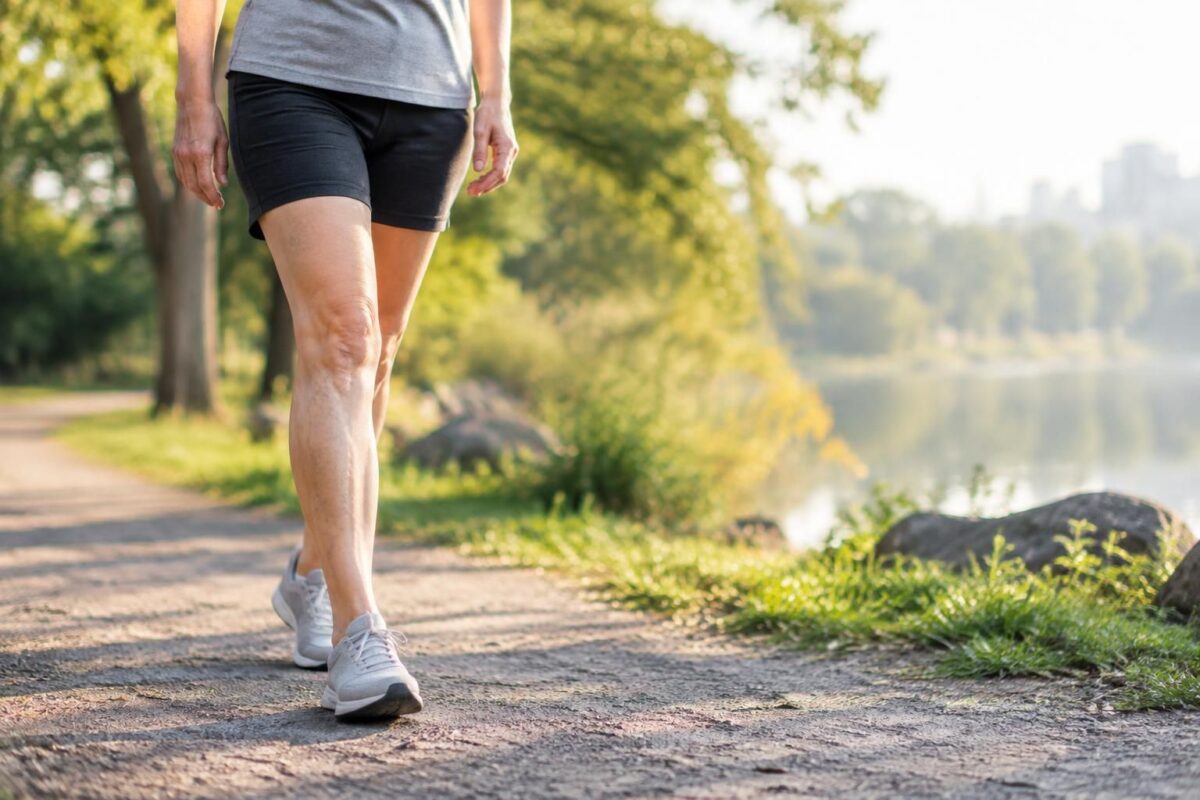
Natural Remedies: varicose veins, is walking really enough to improve circulation?
Hello, this is Angelika.
Walking helps venous return, but it isn’t enough on its own to make varicose veins disappear or relieve everyone’s symptoms.
By activating the calf muscles, walking promotes blood circulation and can ease heavy legs. For more complete relief, it’s best to combine it with active breaks and, if needed, appropriate compression. Natural remedies can help with comfort, but they don’t replace medical advice.
What you can do now to support venous return
- Walk at your own pace: aim for around 30 minutes a day, or split it into several shorter walks.
- Work your calf muscles: do 3 sets of 15 calf raises, morning and evening, as long as it feels comfortable.
- Avoid staying still for too long: get up and move around for a few minutes every hour, especially if you sit or stand for long periods.
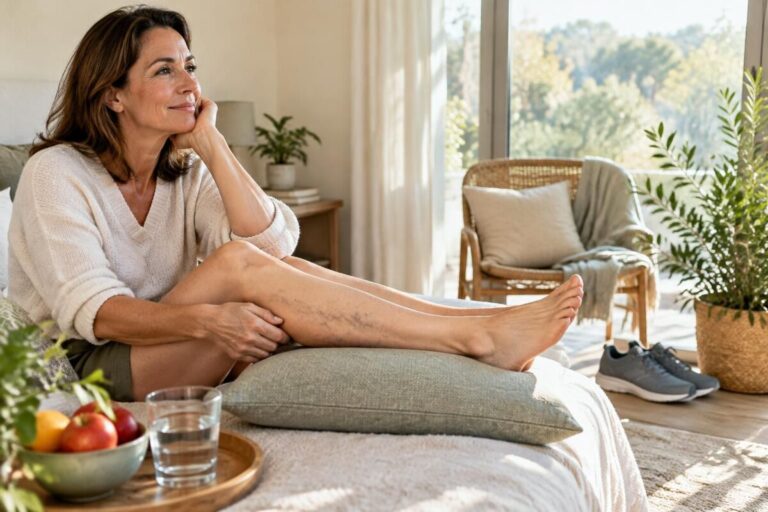
- Elevate your legs: spend 10 to 20 minutes with your legs supported at the end of the day.
- Ask for advice about compression: properly fitted stockings can provide relief, but the right choice depends on your situation and is best made with professional advice.
To complement these steps, you can consult the Assurance Maladie recommendations on varicose veins and discover other daily habits to help your legs feel more comfortable.
If you already walk but your legs still feel heavy
Walking stimulates the calf “pump”: with every step, the muscles contract and help push blood back toward the heart. It’s therefore beneficial for venous health, but its effects also depend on how long you spend sitting or standing still, the heat, and factors such as heredity or pregnancy.
If you don’t walk much, start with 10 minutes and gradually increase the time. If you’re already active, try adding regular breaks and a few ankle exercises instead: walking more isn’t always the only answer.
What walking can improve — and its limitations
Regular physical activity can reduce the feeling of heaviness and support venous return. However, it can’t repair faulty venous valves or make veins that are already enlarged disappear.
For example, after a day of sitting at work, a short walk followed by elevating your legs may bring some relief. However, increasing pain or significant swelling shouldn’t automatically be attributed to a lack of exercise.
Combine walking with other sensible natural remedies
Walking is a good foundation, but other measures can complement your routine. Properly fitted compression is often helpful for heaviness and swelling; a doctor or pharmacist can help you choose the right type, especially if you have other health conditions.
Elevating your legs for a few minutes and avoiding long periods without movement are simple steps. A gentle massage with a moisturizing cream may soothe the skin, but avoid applying direct pressure to a varicose vein that is painful, red, or warm.
Venotonic herbs and supplements: always use caution
Diosmin, horse chestnut, or red vine leaf may provide moderate improvement in some symptoms for some people. The effects aren’t immediate, and these products may have contraindications or interact with medications.
Before taking them, ask a healthcare professional for advice, especially if you’re pregnant, taking an anticoagulant, or on regular medication. Venotonic herbs don’t replace walking or having a changing varicose vein assessed.
| Action | What it may do | Keep in mind |
|---|---|---|
| Regular walking | Supports venous return and may reduce heaviness | Start gradually and move without overexerting yourself |
| Elevating your legs | May ease discomfort after a day on your feet | Try 10 to 20 minutes, depending on what feels comfortable |
| Compression stockings | May relieve some venous symptoms | Choose the right type based on appropriate advice |
| Venotonic supplements | May have a moderate effect on symptoms | Check precautions and interactions before use |
A three-step routine to find out what helps you
- Track your symptoms: for a few days, note any heaviness, pain, or swelling, as well as when it occurs.
- Build a simple habit: start walking regularly and break up periods of inactivity; add leg elevation if it helps.
- Review how things are going: after a few weeks, if your symptoms persist or worsen, seek medical advice rather than trying more and more remedies.
Seek medical advice promptly if one leg suddenly swells, becomes warm or red, a varicose vein bleeds, or a sore develops. Sudden shortness of breath or chest pain requires urgent medical attention.
Frequently asked questions about varicose veins and walking
How long should I walk to help circulation?
Around 30 minutes a day is a practical guideline, but you can split this into shorter walks. The key is to move regularly and adjust the effort to your abilities.
Can walking make varicose veins disappear?
No. Walking supports venous return and may improve comfort, but it generally won’t make varicose veins that have already developed disappear.
Do I need to wear compression stockings when walking?
Not necessarily. Compression may be recommended depending on your symptoms and medical circumstances; ask for advice on choosing the right type.
When should I see a doctor about varicose veins?
Seek advice if your symptoms worsen, a varicose vein becomes painful, or swelling, warm redness, or a sore appears. Sudden swelling in one leg requires prompt assessment.
I hope you’ve found these tips helpful. See you soon! — Angelika