Nutrition and Health: Knee osteoarthritis—which anti-inflammatory foods are really worth trying?
Hello, Angelika here. For knee osteoarthritis, the most helpful approach is a balanced Mediterranean-style diet, without expecting any one food to make joint pain disappear.
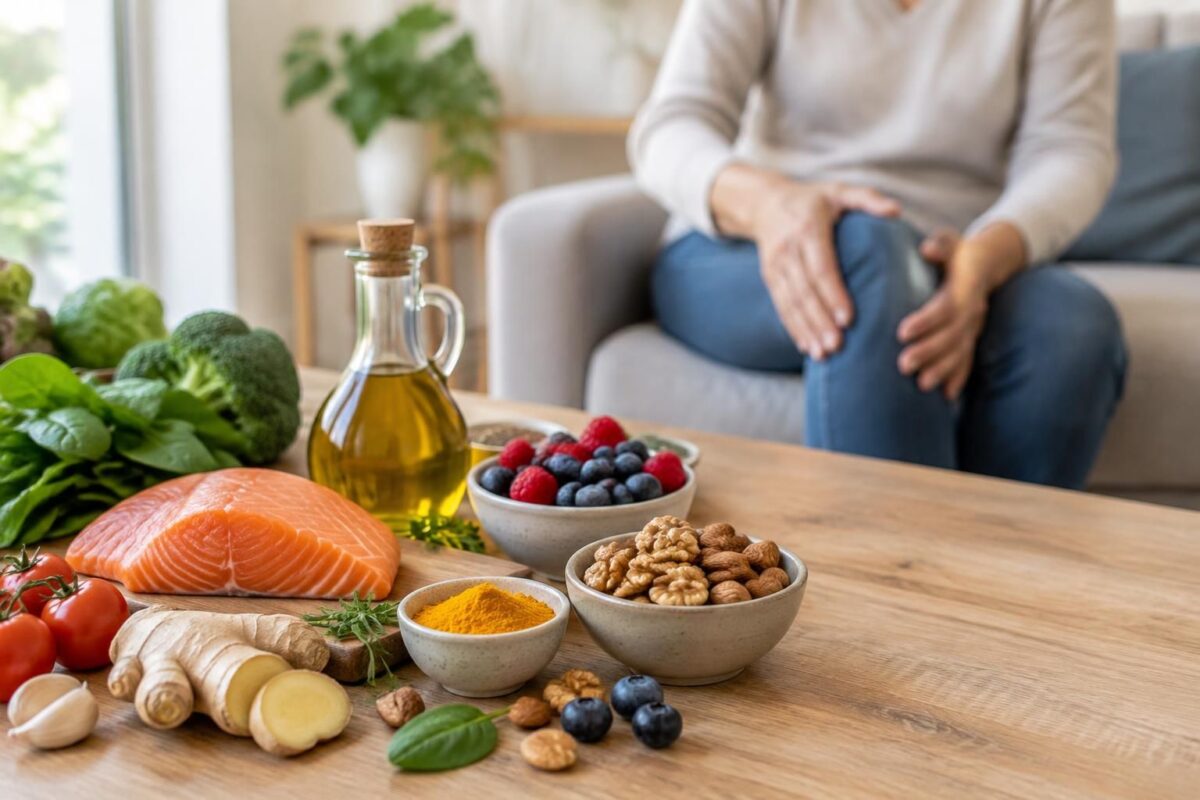
Some choices — oily fish, olive oil, berries and vegetables — can be part of a good nutrition and health strategy. They complement treatment, but do not replace medical follow-up or adapted physical activity.
What to do now
- Plan for two portions of oily fish a week, such as mackerel, sardines or salmon, if that suits you.
- Use olive oil in place of some fats that are high in saturated fat.
- Add berries and vegetables to your meals, fresh or frozen.
- Choose whole grains and legumes several times a week to vary your fiber and protein sources.
- Avoid drastic diets and ask a professional for advice before taking dietary supplements.
Anti-inflammatory diet and knee osteoarthritis: what to expect
An anti-inflammatory diet is not a treatment for knee osteoarthritis. However, it can contribute to overall well-being and, when weight loss is recommended, help reduce the load on the joint.
The effects do not come from any one food. What matters most is consistently following a range of habits — varied meals, appropriate portions and movement according to your abilities.
Omega-3s and oily fish: useful everyday choices
Oily fish provides omega-3s, essential fatty acids that play a role in several bodily functions. Sardines, herring, mackerel and salmon can be part of a varied diet, alternating with plant-based proteins.
For example, Léa, who has knee osteoarthritis, could replace a meat-based meal with sardines, lentils and vegetables. This meal does not promise to eliminate her symptoms: it mainly helps her add variety to her plate.
Berries, olive oil and turmeric: how to include them
Berries provide fiber and plant compounds, among other things. Strawberries, raspberries, blueberries or cherries can be added to breakfast or dessert; there is no need to eat them in large quantities.
Olive oil is a useful fat for cooking or dressing food. Turmeric can add flavor to a soup or vegetable dish, but using it in cooking should not be confused with medical treatment.
Foods to prioritize and how to include them in your meals
| Food | How to use it | Keep in mind |
|---|---|---|
| Oily fish | About two meals a week, depending on your tastes and needs | A source of omega-3s; vary the types of fish |
| Berries | At breakfast, as a snack or for dessert | Fresh or frozen, they add variety and fiber |
| Olive oil | As a dressing or for cooking | Use it instead of other fats, without overdoing it |
| Turmeric | In soup, curry or vegetables | A seasoning, not a remedy for osteoarthritis |
| Legumes | Lentils, chickpeas or beans in a meal | A filling option for varying your protein sources |
The trap of foods presented as remedies
A product marketed as “anti-inflammatory” is not necessarily effective against joint pain. Concentrated supplements, including those containing turmeric, can also interact with certain medications or may not be suitable for everyone.
Avoid changing a treatment or taking a supplement without speaking to a doctor or pharmacist. If your knee is swollen, very painful or suddenly harder to move, seek medical advice.
Three steps to make changes to your meals
- Take note of your habits for a few days. Write down your meals, drinks and favorite foods, without trying to change everything at once.
- Choose one simple change. For example, add a meal with oily fish or replace a very sugary snack with a piece of fruit and a yogurt, if that suits you.
- Review things after a few weeks. Look at how varied your meals are and how comfortable you feel day to day, then ask a professional for advice on adapting your choices to your health.
The best strategy is one that is realistic and suits your tastes, budget and treatments. A balanced plate can support your health without promising to cure knee osteoarthritis.
Frequently asked questions about knee osteoarthritis and diet
Can diet cure knee osteoarthritis?
No. No food can cure knee osteoarthritis. A varied diet can support overall health and complement other treatment measures.
Which fish should I choose for omega-3s?
Sardines, mackerel, herring and salmon are examples of oily fish. Vary the types of fish and adjust how much you eat to your personal needs.
Does turmeric relieve joint pain?
Turmeric used as a spice adds flavor to dishes, but it is not a treatment for osteoarthritis. Ask a professional for advice before using concentrated supplements.
Should I cut out certain foods if I have knee osteoarthritis?
There is no universal rule requiring you to eliminate a particular food. It is better to prioritize a balanced diet and ask for advice if you have a medical condition or follow a specific diet.
I hope you found these tips helpful. See you soon! — Angelika