
Natural Care: bursitis, complete rest or gentle movement: which is better?
Hello, it’s Angelika.
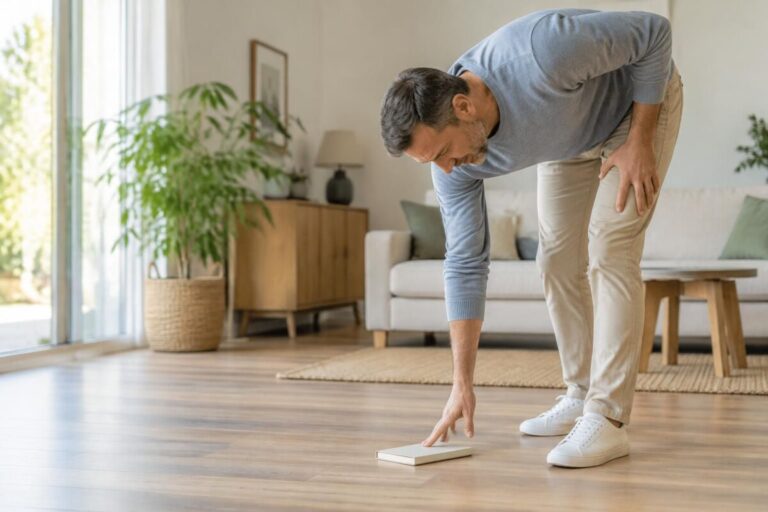
If you have bursitis, it’s generally best to avoid prolonged complete rest and instead opt for gentle movement that does not trigger pain.
A short period of relative rest can calm irritation, while gradually resuming movement helps preserve mobility. The right balance depends on the severity of your symptoms and how they change over time.
What to do right away
- Temporarily reduce painful movements, without completely immobilizing the joint.
- Apply cold wrapped in a cloth for 10 to 15 minutes if it helps.
- Try gentle movement, within a comfortable range and without forcing it.
- Avoid pressure and vigorous massage on the sensitive area.
- Seek medical advice if the pain is severe, persists, or is accompanied by a fever.
To identify movements that could slow your recovery, also read these tips on habits to avoid with bursitis and information about how prolonged massage can contribute to inflammation.
Bursitis: relative rest or gentle movement?
Complete rest is generally not the best long-term strategy. It may limit irritation at first, but prolonged immobility can also make movement more difficult.
Conversely, continuing an activity that significantly increases the pain can keep the bursa irritated. The goal is therefore to temporarily modify the movements involved, then gradually resume appropriate physical activity.
| Situation | Helpful approach |
|---|---|
| Sharp pain during a specific movement | Avoid that movement and let the area settle. |
| Mild discomfort at rest | Try gentle movements without pushing beyond the pain. |
| Pain that worsens or persists | Have the situation assessed by a healthcare professional. |
For example, if raising your arm triggers shoulder pain, avoid reaching for items on high shelves for a few days. You can still gently move your arm within a comfortable range rather than keeping it still all day.
The pitfalls of complete rest and overly vigorous natural remedies
A common mistake is to immediately resume all your usual movements as soon as the pain eases. Another is to try multiple natural remedies, particularly vigorous massage, which can further irritate the area.
Cold wrapped in a cloth may provide temporary relief. Natural remedies are comfort measures: they do not replace a diagnosis, especially if joint pain severely limits your everyday movements.
A demonstration video can help you understand the principle of gentle movement, but every movement should remain comfortable. Stop if the pain worsens or persists after exercising.
Restore mobility without aggravating bursitis
Progress matters more than performance. A cautious return to activity lets you observe how the area responds and adjust your effort rather than pushing yourself to immediately regain your usual activity level.
- Ease off the movements that trigger pain. For a few days, adapt tasks that put strain on the painful area, without imposing complete rest.
- Try easy movements. Move slowly within a comfortable range. If the pain increases significantly, reduce the movement or stop.
- Resume activity gradually. Increase your activity in small steps only if your symptoms remain stable or improve.
If the discomfort does not improve, keeps coming back, or prevents you from sleeping or performing everyday tasks, make an appointment with a healthcare professional. A joint that is hot and red, a fever, or sudden severe pain warrants prompt medical advice.
Frequently asked questions about bursitis and movement
Should you completely immobilize bursitis?
In general, prolonged complete rest is not recommended without medical advice. Reduce painful movements and continue gentle movement if it remains comfortable.
How long should you rest?
It depends on the cause and severity of your symptoms. Opt for relative rest instead, and seek advice if the pain persists or worsens.
Can cold help relieve bursitis?
A cold pack wrapped in a cloth and applied for 10 to 15 minutes may provide temporary relief. Do not apply ice directly to the skin.
When should you seek medical advice for bursitis?
Seek advice if the pain is severe, persistent, or limits your activities. A red, hot joint, a fever, or sudden pain requires prompt medical advice.
I hope you found these tips helpful. See you soon! — Angelika