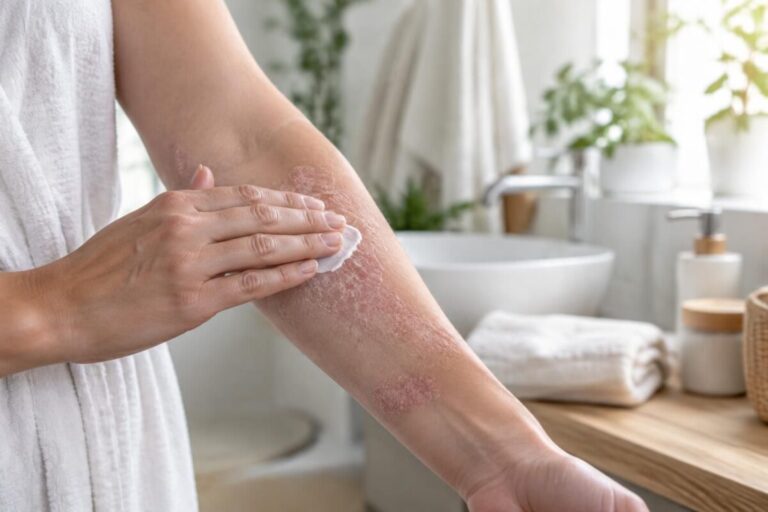
Natural Care: Gibert’s pityriasis rosea, does it really need treatment?
Hello, this is Angelika.
Pityriasis rosea (Gibert’s disease) usually clears up on its own, so specific treatment is not always necessary.
This temporary rash can be worrying, especially when accompanied by itching. Gentle natural care may improve comfort, but it does not replace a diagnosis if the patches look unusual.
The key is to help soothe the skin and monitor how it changes, without using lots of irritating natural remedies.
What to do right away
- Have the diagnosis confirmed by a healthcare professional if the patches are new or atypical.
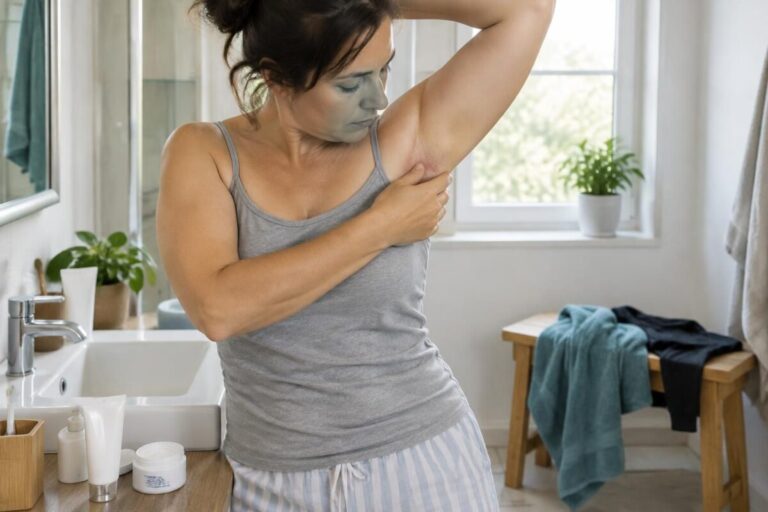
- Moisturize your skin with a simple, fragrance-free cream to help keep your skin hydrated.
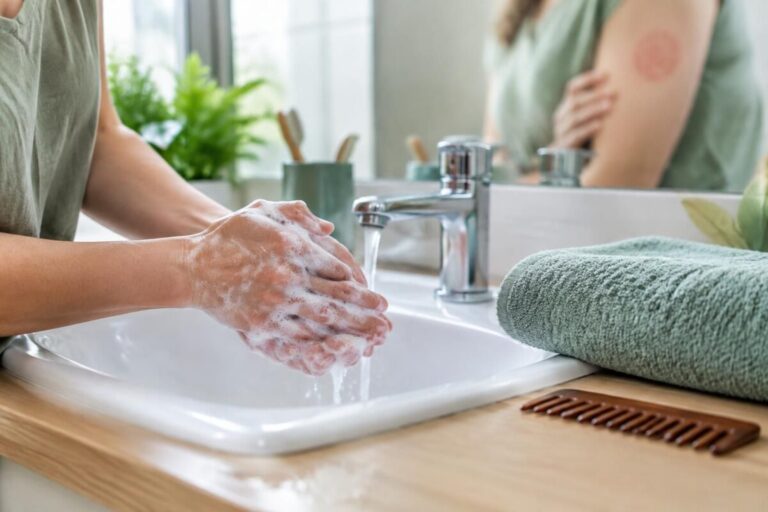
- Choose short, lukewarm showers; very hot water can make itching worse.
- Wear loose-fitting clothes and avoid fragranced or exfoliating products on the patches.
- Ask a doctor or pharmacist for advice before applying an essential oil, plant, or other remedy.
Pityriasis rosea: treatment or natural resolution?
In most cases, the rash goes away on its own within a few weeks, often in six to eight weeks, though it can last longer. A natural treatment does not necessarily shorten this period; its main purpose is to improve comfort.
A larger patch may appear before several smaller oval lesions, often on the trunk. This is common, but other skin conditions can look similar, so it is best to avoid self-diagnosis.
| Situation | Reasonable approach | Key point |
|---|---|---|
| Confirmed rash, mild discomfort | Fragrance-free moisturizer, lukewarm shower, monitoring | It often clears up without specific treatment |
| Significant itching | Ask a healthcare professional for advice | Appropriate care may relieve symptoms |
| Uncertain diagnosis or unusual signs | See a doctor | It is important to check that there is no other cause |
Natural care: soothe the skin without irritating it
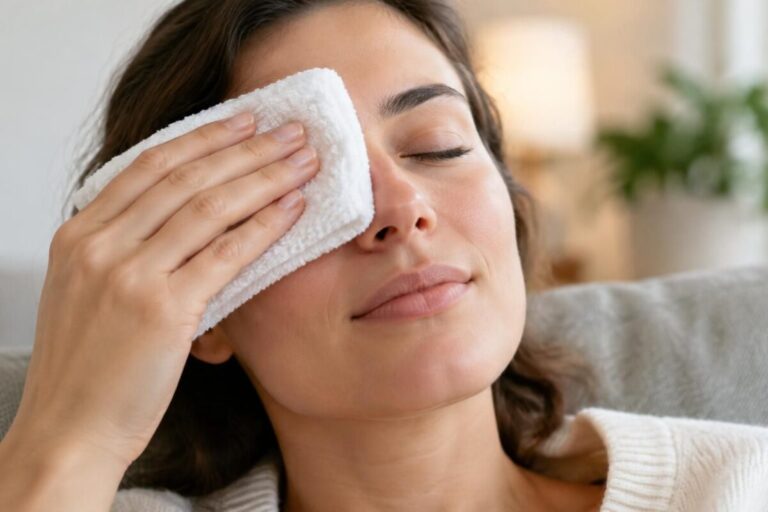
A neutral moisturizer applied after showering can reduce dryness and tightness. For some people, a cool compress applied for a few minutes can also help calm itching.
Natural does not always mean risk-free. Essential oils, vinegar, homemade mixtures, or fragranced products can irritate already sensitive skin; it is best to avoid them unless advised by a professional.
For example, if the patches itch after a workout, a lukewarm shower, clean, loose-fitting clothes, and then simple skin moisturizing are better choices than a scrub or harsh lotion.
When should you see a doctor for a pink rash?
Make an appointment if the rash spreads quickly, becomes painful, is accompanied by a fever, or affects the palms, soles, or face. Also see a doctor if symptoms persist, the diagnosis has not been confirmed, or you are pregnant.
Dermatological advice is particularly helpful when the patches do not follow the usual course or the itching disrupts your sleep. A healthcare professional can examine your skin and, if necessary, recommend treatment to relieve the symptoms.
Three steps for managing pityriasis rosea
- Check the situation: have the diagnosis confirmed, especially if this is your first rash or unusual signs appear.
- Use gentle measures: moisturize your skin, avoid excessive heat, and steer clear of irritating products.
- Monitor how it changes: note any changes and seek medical advice if the discomfort increases or the rash does not improve.
The right balance is simple: help soothe the skin without trying to treat at all costs a rash that often follows its natural course.
Is pityriasis rosea contagious?
It is generally not considered contagious. If you are unsure about the cause of the rash, seek medical advice.
How long does pityriasis rosea last?
It often clears up within six to eight weeks, but may last longer. The duration varies from person to person.
What natural treatment can relieve itching?
A fragrance-free moisturizer and lukewarm showers may improve comfort. Avoid essential oils and other irritating remedies unless advised by a professional.
When should I see a doctor?
See a doctor if the rash is painful, is accompanied by a fever, affects the palms or soles, gets worse, or if the diagnosis is uncertain.
I hope you found these tips helpful. See you soon! — Angelika