Nutrition and Health: High Blood Pressure, 7 Foods Considered Healthy to Watch
Hello, this is Angelika. Most healthy foods can still be part of a diet for high blood pressure, but it’s sometimes worth checking their salt and sodium content.
Bread, some cheeses, canned foods, and smoked fish may contain more than you might think. A few simple guidelines can help you make healthy choices without eliminating entire food groups.
Things to do right away
- Compare labels and check the amount of salt or sodium per serving.
- Rinse canned legumes under water before adding them to a dish.
- Taste before adding salt, then flavor recipes with herbs, lemon, or garlic.
- Choose fresh products more often instead of highly salted processed foods.
- Don’t change your treatment without talking to the healthcare professional who looks after you.
Monitoring sodium intake is part of a balanced diet, as this article on the role of salt in high blood pressure points out. To identify other ingredients that may raise blood pressure, also see this guide to foods to watch out for.
High blood pressure: 7 healthy foods whose salt content may surprise you
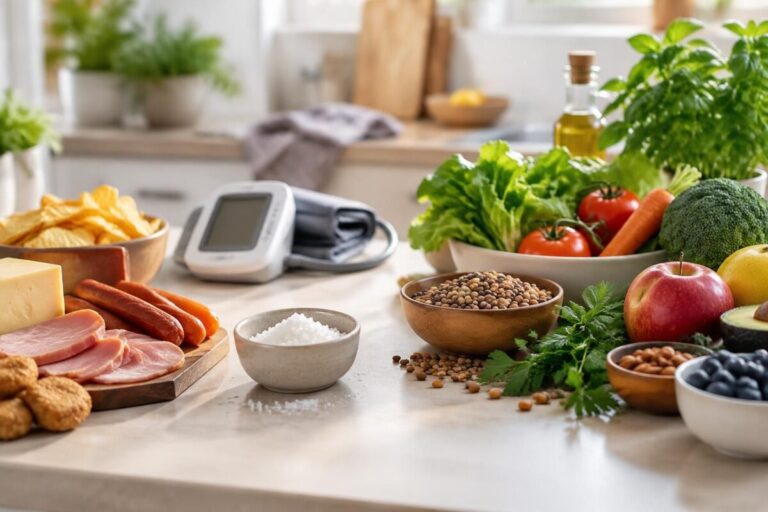
A food isn’t “bad” just because it contains sodium. Portion size, frequency, and the meal as a whole matter too. The DASH diet, often recommended to support cardiovascular health, focuses in particular on fruits, vegetables, whole grains, and legumes, while limiting salt and saturated fat.
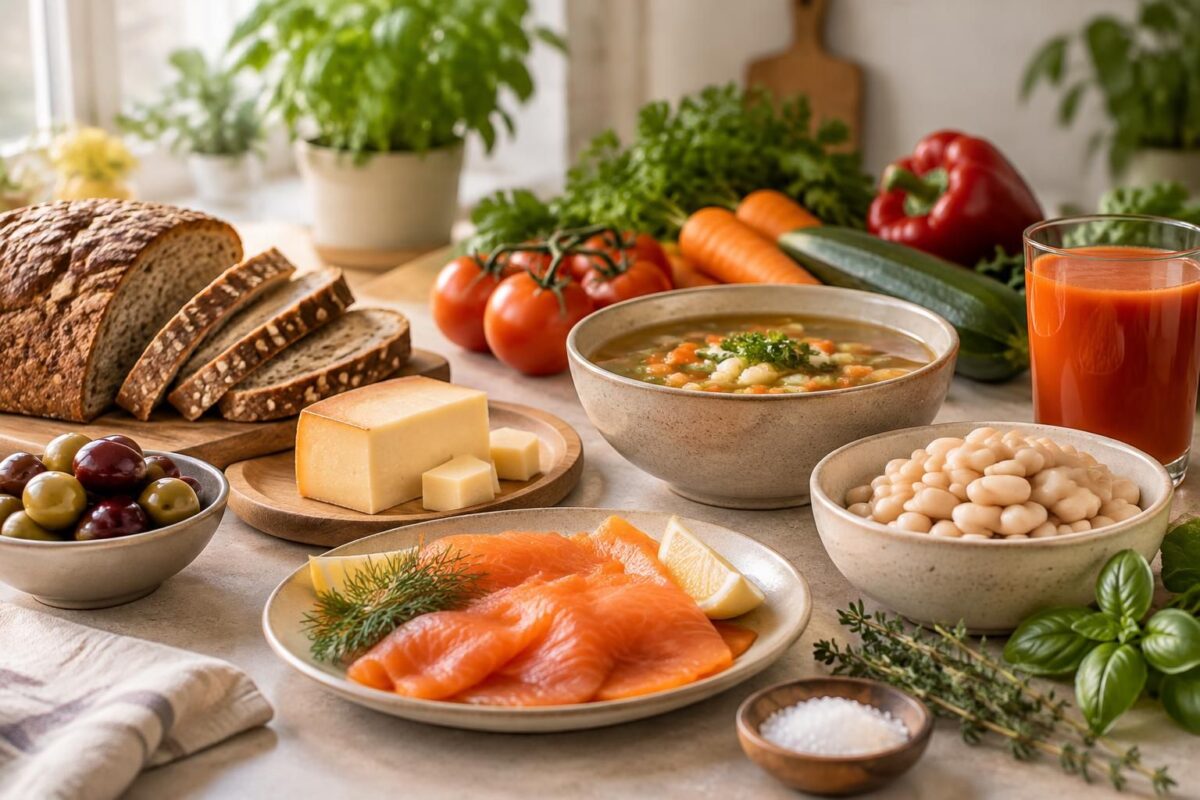
Here are seven foods or food groups that can be part of your menu, as long as you pay attention to their form and preparation. The goal isn’t to cut everything out, but to reduce hidden salt and maintain habits that are easy to stick to.
| Food | Why to watch it | Practical option |
|---|---|---|
| Bread, including whole-grain | Eating it regularly can contribute a significant amount of your daily salt intake. | Compare labels and vary your choices with low-salt grains. |
| Cheese | Salt content varies, and some types are also high in saturated fat. | Choose a moderate portion and alternate between varieties. |
| Canned legumes | The liquid they’re preserved in may be salty. | Choose a no-added-salt version if possible, then rinse it. |
| Vegetables in brine or pickled vegetables | Brine can contain a lot of sodium. | Eat them in small amounts and drain them. |
| Smoked fish | Smoking is often accompanied by heavy salting. | Alternate with fresh or unseasoned frozen fish. |
| Soy sauce and prepared sauces | A small amount can be very high in salt. | Use a reduced-salt version sparingly. |
| Vegetable juice | Some store-bought juices contain added salt. | Read the label or choose whole vegetables. |
Bread and cheese: choices to adjust, not demonize
Whole-grain bread provides fiber, while cheese can provide calcium. However, salt content varies from one product to another. If you eat them every day, comparing two labels can help you choose a lower-salt option without changing your meals too much.
Portion size matters for cheese too: a small amount served with vegetables and low-salt bread is different from a meal that combines several salty foods. The best approach is to look at the meal as a whole.
Canned foods, brine, and sauces: spotting hidden salt
Chickpeas, beans, and vegetables are good additions to a balanced diet. However, canned varieties may sit in salty liquid. Draining and rinsing legumes removes some of it, but doesn’t replace other steps to reduce sodium.
Ready-made sauces, bouillon cubes, and soy sauce are other less obvious sources. To add flavor, try pepper, paprika, vinegar, fresh herbs, or lemon juice instead. A flavorful dish doesn’t need to be very salty.
Smoked fish and vegetable juice: check how they’re prepared
Oily fish, such as sardines or salmon, can contribute to a heart-healthy diet. But smoked or heavily salted fish can also provide a lot of sodium. So alternate smoked varieties with fresh fish, or compare the nutrition information when you buy a packaged product.
Beet juice is sometimes studied for its natural nitrates, but packaged juices may contain added salt. Choose no-added-salt varieties when possible, and also opt for whole beets. Juice is no substitute for prescribed medication or medical follow-up.
Low-salt diet: three simple steps to make better choices
- Read the label. Compare products in the same category and check the amount of salt per 100 g, as well as the amount in the portion you actually eat.
- Make gradual changes. Try lower-salt bread, rinsed legumes, and homemade seasonings. Your taste buds often gradually get used to less salty flavors.
- Check in with a healthcare professional. If you have high blood pressure, kidney disease, or are taking medication, ask for advice before making major changes to your salt or potassium intake.
As a general guideline, the World Health Organization recommends that adults consume less than about 5 g of salt per day. This target applies to total intake, including salt from packaged foods, and should be adapted to your medical situation with a healthcare professional if necessary.
Frequently asked questions about healthy foods and blood pressure
Do you have to cut out cheese if you have high blood pressure?
Not necessarily. Its salt content varies by variety: compare labels, keep portions reasonable, and ask for personalized advice if a healthcare professional has given you specific instructions.
Does rinsing canned foods really reduce salt?
Rinsing canned legumes or vegetables can remove some of the sodium in the liquid. Choosing a no-added-salt version is another useful option.
Can beet juice replace medication?
No. Although beet juice is being studied for its possible effects on blood pressure, it can never replace prescribed treatment or medical follow-up.
What is the best diet for preventing high blood pressure?
A balanced diet inspired by the DASH diet emphasizes fruits, vegetables, legumes, and whole grains, while limiting salt and highly processed foods. Individual needs may vary.
Thanks for reading! If this topic resonates with you, share your experience in the comments. — Angelika